
This post is not medical advice. It reflects personal experience and publicly available research. Please work with a qualified health practitioner for any diagnosed condition.
I want to start with something I’ve noticed that I think is one of the most important gut health principles I’ve come across:
When something is off in the gut, the first instinct is usually to kill something.
Take an antifungal. Take an antibiotic. Reach for some aggressive herb. Declare war.
I get why. When you feel bloated, irregular, foggy, craving sugar even when you’re actively trying not to eat it, you want it gone. You want to do something.
But the more I’ve learned, the more I’ve shifted to asking a different question first. Not “what do I kill” but “what is my gut actually asking for?”
That shift changes everything about how I approach it.
A little backstory
A while back I went through a period of eating a very fruit-heavy diet. I genuinely thought I was being healthy. Fruit is natural, right? But my gut did not respond well. I felt off in ways I couldn’t fully explain. Sluggish, then suddenly not sluggish at all in the worst possible way.
What I eventually realized is that “natural” and “balanced” are not the same thing.
Fruit sugar is still sugar, and in some people, a very high-sugar pattern may contribute to an imbalanced gut environment. That experience shaped how I now think about gut support, especially for situations involving suspected candida, bacterial imbalance, or that classic cycle of several days without a bowel movement followed by a rough, uncomfortable clearing-out day. If that pattern sounds familiar, you’re not alone in dealing with it.
Rhythm before anything aggressive
Before I reach for a strong supplement or herb, I look at the basics. And I mean really look at them, not just check them off a mental list.
Am I eating structured meals or grazing all day? This one matters more than people realize. The gut has a natural sweeping mechanism that only activates when you haven’t eaten for a few hours. Frequent snacking may interfere with fasting-state motility patterns and bacteria that should have been cleared out just stay put.
Am I eating enough protein? Enough healthy fat? Am I actually eating complex carbohydrates or just refined ones?
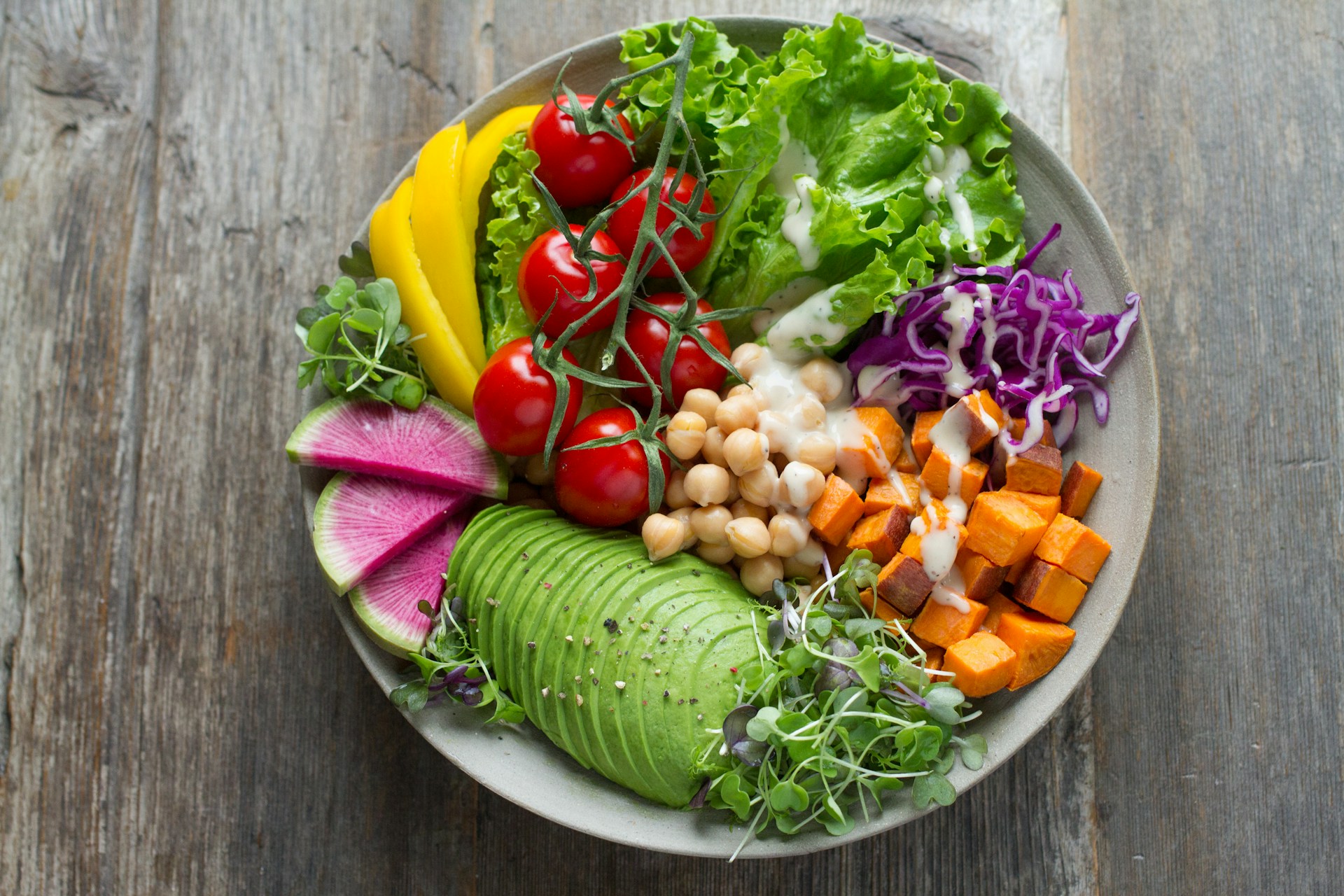
A balanced meal, something like quinoa or sweet potato, a quality protein source, olive oil or avocado, and some cooked vegetables, is often doing more work than any supplement. The goal isn’t to fear carbohydrates. The goal is to stop living on sugar spikes and give the body steady, predictable fuel.
I know that sounds simple. It is. That doesn’t make it less true.
When the gut isn’t moving consistently
That constipation-then-explosion pattern is something I want to address before anything else gets layered on top. You can take all the right herbs, but if the gut isn’t moving consistently and elimination is sluggish, someone may feel worse when layering in stronger supplements. The waste isn’t leaving like it should and piling up even further. That’s a miserable experience that’s largely avoidable.
Two tools I keep reaching back to:
- Magnesium glycinate is my first reach. Not magnesium oxide, which can be too harsh and unpredictable, and not a stimulant laxative. Magnesium glycinate supports smooth muscle relaxation in the gut wall, meaning things start moving more steadily on their own, which I find is gentler. It also genuinely helps with sleep, which matters more for immune function than people give it credit for. I take it before bed.
- PHGG (partially hydrolyzed guar gum aka Sunfiber) is one of those quiet workhorses that doesn’t get enough attention. The reason I like it specifically: it’s clinically studied for normalizing both constipation and loose stools. It works in both directions. And unlike some fibers that cause fermentation issues (which can make bloating significantly worse), PHGG tends to be well tolerated even in sensitive guts. I usually start with about five grams in a glass of water around a meal.
Supporting the terrain (gut) before declaring war
Once motility is improving, I think about supporting the gut’s environment. Not aggressively yet, but rather, more like sending reinforcements to the right places.
- NAC (N-acetylcysteine) is one of the most underrated supplements in this space. Most people know it as liver support, which it is, but it also indirectly supports breaking down (by supporting glutathione) the protective biofilm that certain organisms build around themselves which is essentially the shield they hide behind. This is because it’s the direct precursor to glutathione, which the liver relies on to process waste. For anyone with chronic gut dysfunction, the liver is almost certainly working overtime. Quietly supporting it in the background matters.
- Saccharomyces boulardii is a beneficial yeast, which sounds counterintuitive if candida is part of the picture. But S. boulardii is specifically studied for competing with pathogenic organisms and helping normalize stool patterns. One thing I appreciate about it: it can be started before any aggressive protocol and isn’t wiped out by most herbal antimicrobials. It’s actively building the kind of occupancy in the gut that you want there.
When targeted support makes sense
- If there’s suspected bacterial or fungal overgrowth involved, I’d actually start with berberine before jumping to oregano oil. Berberine has promising research around gut microbiota and metabolic support, but human evidence for specific overgrowth conditions is still developing. Such as, for gut dysbiosis, working against both bacterial and candida overgrowth, and tends to be gentler on the beneficial organisms you want to keep. It also helps stabilize blood sugar during the transition off simple sugars, which matters.
- Oil of oregano is not an everyday supplement in my mind. It’s potent and genuinely broad-spectrum, which means it doesn’t only affect the bad stuff. I treat it with real respect, thinking about when to use it, for how long, and at what dose. For most people I’d consider it a second-round tool if things aren’t improving after a few weeks with gentler options, and always at a conservative starting dose.
Green support and cellular energy
- I keep spirulina and chlorella in my routine not as some dramatic detox protocol, but as consistent daily nourishment with a passive cleanup benefit. Chlorella has some research around environmental compounds like dioxins and is nutrient-dense, which points to it being good at binding the metabolic waste that gets released when organisms die. Spirulina brings minerals and chlorophyll that support the blood and tissues during a period of stress on the system. Neither is flashy. Both are consistently useful.
- NAD+ I think of on the cellular energy side rather than as a gut supplement specifically. A chronic gut issue is exhausting, not just because of the symptoms, but because the liver is constantly processing low-grade toxicity. Supporting mitochondrial energy during that period just makes the whole process less depleting.
Overload support tool (as needed)
I wrote about activated charcoal separately here, but it belongs in this conversation too. I do not take it daily because charcoal is a binder; it can attach to substances in the digestive tract, including some supplements or nutrients I actually want to absorb! I personally keep it around for occasional situations where I want short-term binding support, such as when I’ve accidentally taken more of a supplement than intended. Because it can bind more than just the “bad stuff,” I take it well away from meals, medications, and other supplements.
Activated Charcoal →
The honest summary
Most gut protocols lead with the most aggressive thing available and then wonder why the person feels terrible halfway through. What I’ve found, both personally and in everything I’ve read and learned, is that starting with rhythm and then layering in targeted support actually works better. And it’s significantly less miserable.
Balanced meals. Less simple sugar. Enough protein. Enough minerals. Regular bowel movements. Hydration. Walking. Sleep. Then, if needed, targeted support in a logical order.
The supplements mentioned here can genuinely help. But the foundation is still the foundation.
Disclaimer: This post is for general informational and educational purposes only. It is not medical advice, a diagnosis, or a treatment plan for any condition including candida, E. coli, SIBO, IBS, or any other digestive disease. Always work with a qualified health practitioner before starting any supplement protocol, especially if you have a diagnosed condition or are managing your health alongside a medical provider.y advice, diagnosis, or treatment. In cases of accidental ingestion or suspected poisoning, seek immediate professional care.
Some links in this post are affiliate links. If you purchase through them, I may earn a small commission at no extra cost to you. I only link products I personally use or would genuinely recommend.